Home Renovation Blog
Why Energy-Efficiency Will Change the Way You Plan Your 2026 Home Extension
1 July 2026
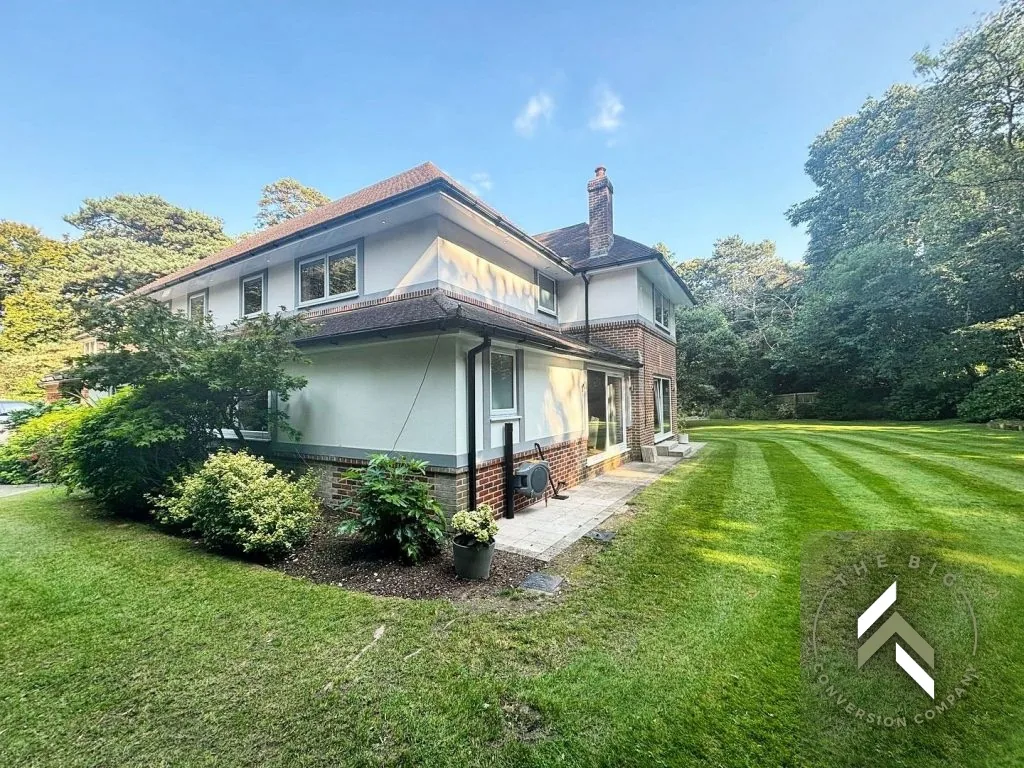
Are you starting to feel like your home is bursting at the seams, but the thought of the current property market makes you want to stay put? If you’ve been looking around your living room in Bournemouth, Poole, or Christchurch and imagining a little more breathing room, you aren’t alone. However, planning a home extension in 2026 is no longer just about adding square footage and a set of bi-fold doors.
The landscape of home renovation has shifted significantly this year. With updated building regulations and a heightened focus on sustainability, energy efficiency is no longer an "optional extra" or a "nice-to-have" feature. It is now the foundation of the entire planning process. If you're considering buying a new house versus extending your current one, the energy standards of 2026 might just be the deciding factor that makes an extension the more future-proof choice.
The Regulatory Shift: Why 2026 is Different
Maybe you’ve added to your family, or perhaps your "temporary" home office has become a permanent fixture of your daily life. Whatever the reason for needing more space, the way we build that space has changed. As of early 2026, the building regulations surrounding thermal performance and carbon emissions have become stricter than ever.
In the past, an extension was often treated as a separate entity: a box bolted onto the back of a house. Today, planning authorities and building control officers look at the "whole-house" effect. This means your new extension must not only be highly efficient itself but must often offset the energy loss of the existing structure. This shift is driving homeowners to rethink the traditional "brick and block" approach in favour of more sophisticated, high-performance designs.
A "Fabric First" Approach to Your Extension
If you’re wondering what problems do people come across when having a house extension, failing to plan for insulation is near the top of the list for 2026. The "Fabric First" philosophy is the cornerstone of modern construction. It suggests that before we look at fancy gadgets like solar panels or smart thermostats, we must ensure the "skin" of the building: the walls, floor, and roof: is as airtight and insulated as possible.
In 2026, we are seeing a move toward ultra-high-performance insulation materials. We aren't just talking about a bit of glass wool in the rafters. We are seeing the widespread use of vacuum insulation panels (VIPs) and high-density PIR boards that provide incredible thermal resistance with minimal thickness. This is particularly useful if you are considering how to know if your loft is suitable for a conversion, as it allows you to achieve the necessary U-values without sacrificing precious head height.
Sustainable Materials: Beyond the Basics
If you’re considering moving or extending, you’ve likely noticed that the cost of materials has fluctuated wildly over the last few years. However, the "green" premium on sustainable materials has begun to shrink as they become the industry standard.
In 2026, we are seeing a surge in:
- Timber Frame Construction: Offering excellent natural insulation and a much lower carbon footprint than traditional masonry.
- Hempcrete and Lime Renders: These materials are "breathable," which is vital for the health of the building and the occupants, preventing damp and mould in our coastal Dorset climate.
- Recycled Aggregates: Using crushed, recycled materials for foundations and floor slabs is now a common way to reduce the environmental impact of a home renovation.
Choosing these materials isn't just about being eco-conscious; it's about the longevity of your investment. A house built with 2026-standard sustainable materials will hold its value far better than one that just scrapes by on minimum requirements.
Heating and Cooling: The End of the Gas Era
Perhaps the most significant change you’ll face when planning your 2026 extension is how you heat it. The UK’s transition away from gas boilers is in full swing. If you are adding a significant amount of space, you might find that your old boiler simply can't cope: and replacing it with another gas model may no longer be the smartest (or even legal) move in certain scenarios.
Air source heat pumps (ASHPs) have become the default choice for 2026 extensions. While they require a bit more planning regarding the location of the external unit and the size of your radiators (or underfloor heating pipes), the efficiency gains are undeniable. When integrated into an open-concept floor plan, underfloor heating powered by a heat pump provides a consistent, comfortable warmth that traditional radiators struggle to match.
Furthermore, we are seeing a rise in "Smart Zoning." Instead of heating the whole house, 2026 technology allows you to precisely control the temperature of your new extension independently of the rest of the home, saving significant amounts on your monthly energy bills.
Why Energy Efficiency is Essential for Planning Permission
If you've ever asked, "Why is planning permission essential for property changes?", the answer in 2026 often comes down to sustainability targets. Local councils in the BCP area are increasingly looking for "Sustainability Statements" as part of the planning application.
They want to see that you’ve considered:
- Solar Gain: Is the extension designed to soak up the sun in the winter but stay cool in the summer?
- Water Conservation: Are you installing low-flow taps or rainwater harvesting systems? This is a huge trend for renovating your bathroom within an extension.
- Biodiversity: Does your roof design include a "green" or "sedum" element to help local wildlife?
By addressing these energy-efficiency points early in the design phase, you not only make your home better to live in but also smooth the path through the sometimes-tricky planning process.
The Cost of Efficiency vs. The Cost of Doing Nothing
It’s natural to ask, "Why are house extensions so expensive?" and wonder if these energy-efficient upgrades are worth the upfront cost. In 2026, the perspective has shifted from "upfront cost" to "total cost of ownership."
With energy prices remaining a significant part of the monthly household budget, an extension that isn't built to high efficiency standards will become a financial drain. Conversely, an energy-efficient extension can actually reduce the overall energy demand of your existing home if designed correctly. For instance, high-performance glazing on a south-facing extension can act as a "storage heater" for the rest of the ground floor.
When you work with a home renovation company, we help you balance these costs. Investing in better insulation now is far cheaper than trying to retro-fit it five years down the line.
Practical Steps for Your 2026 Project
If you're ready to take the leap, where should you begin? Whether it's a kitchen renovation or a double-storey side extension, the sequence remains the same:
- Audit Your Current Home: Understand where you are losing heat now so the extension can help solve those problems.
- Focus on the Shell: Prioritize the best windows and insulation your budget allows. You can always upgrade a kitchen worktop later, but you can't easily upgrade the insulation inside the walls.
- Think About Light: The importance of lighting isn't just about aesthetics; maximizing natural light reduces your electricity needs and improves your well-being.
- Consult the Experts: 2026 regulations are complex. Working with a team that understands the local requirements in Bournemouth and Poole is essential.
Conclusion
Planning a home extension in 2026 is an exciting opportunity to transform how you live. While the focus on energy efficiency might seem like an added layer of complexity, it’s actually a roadmap to a more comfortable, affordable, and valuable home.
By embracing sustainable materials, high-performance insulation, and modern heating technologies, you aren't just adding a room: you're future-proofing your lifestyle. Whether you are looking for creative ideas for a loft conversion or a sprawling rear extension, starting with an "energy-first" mindset will ensure your project is a success for decades to come.
Are you ready to explore what's possible for your home this year? At The Big Conversion Company Ltd., we specialize in turning these 2026 challenges into beautiful, efficient living spaces. Let's start the conversation.
If you're thinking about adding more space to your home, you can get started with a free home extension quote in Bournemouth and take the next step with confidence.