Are you starting to feel like your home is bursting at the seams? Maybe the kids are getting older and suddenly need their own space. Perhaps you've been working from home and that corner of the dining table just isn't cutting it anymore. Or maybe you simply want a bit more room to breathe without the hassle (and cost) of moving house.
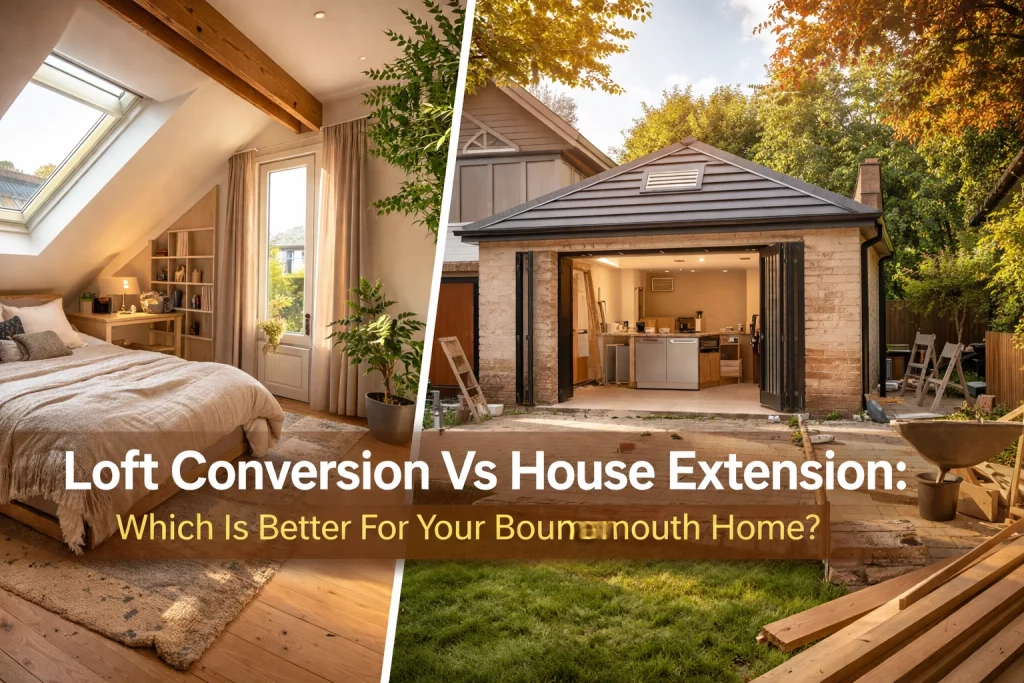
If you're a homeowner in Bournemouth, Poole, or Christchurch, you've probably already asked yourself: should I go up with a loft conversion, or go out with a house extension?
It's one of the most common questions we get asked. And honestly? There's no one-size-fits-all answer. Both options have their perks, and both come with their own set of considerations. The right choice depends entirely on your home, your lifestyle, and what you're hoping to achieve.
Let's break it down so you can make the best decision for your family.
The Case for Loft Conversions
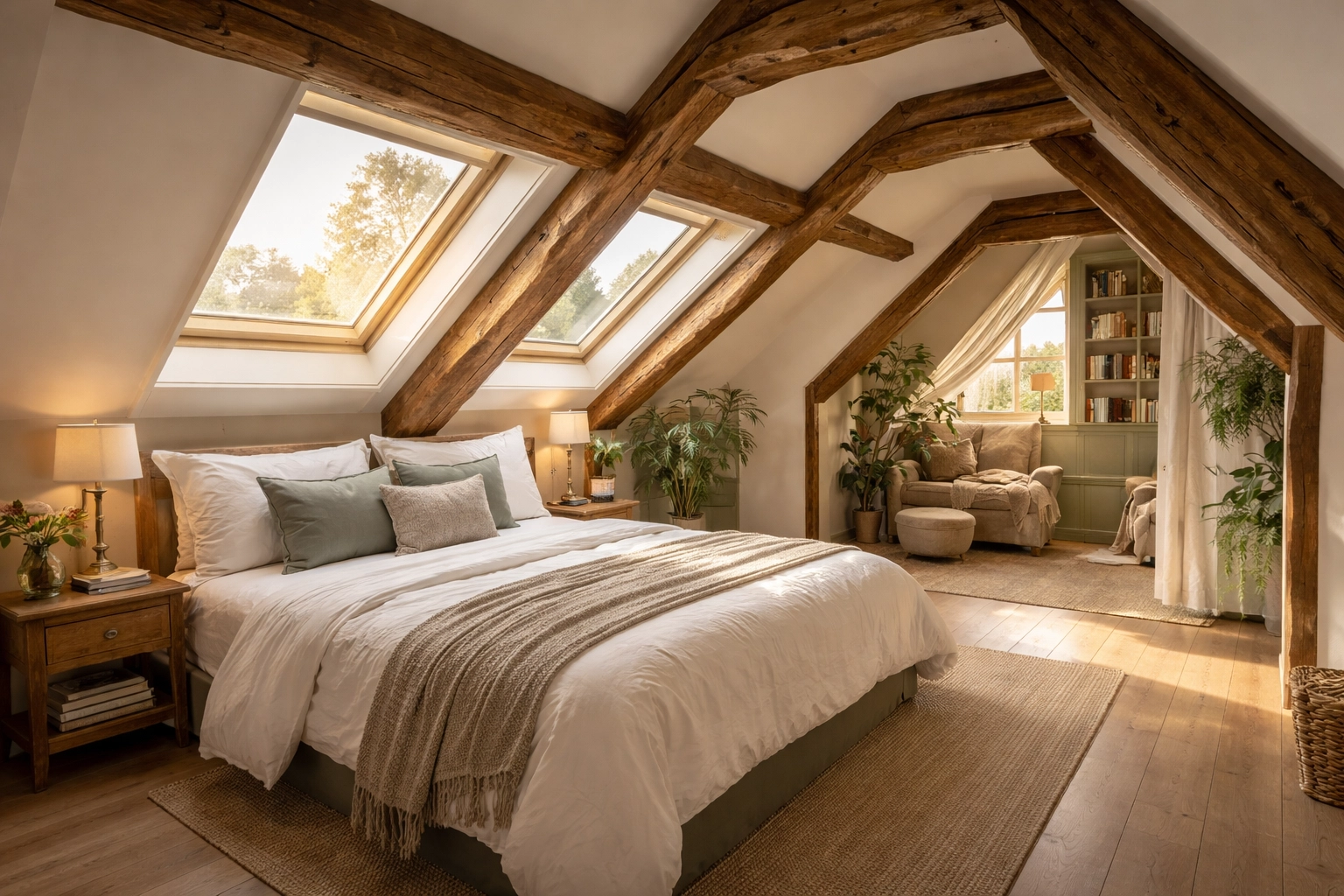
If you've got an underutilised attic gathering dust (and probably a few boxes of Christmas decorations), a loft conversion could be your golden ticket to extra living space.
The Pros
You're not losing any garden space. This is a big one. Your outdoor area stays exactly as it is, which is particularly valuable if you've got a smaller plot or you love your garden just the way it is.
It's usually quicker and less disruptive. Because the basic structure is already there (your roof!), there's less heavy construction involved. Most loft conversions take around 6-8 weeks, and you can typically stay in your home throughout the build without too much disruption to daily life.
Planning permission often isn't required. Many loft conversions fall under "permitted development," meaning you can crack on without the headache of a full planning application. There are some conditions, your loft extension can't exceed 40 cubic metres for terraced houses or 50 cubic metres for detached and semi-detached homes, but for most standard conversions, you're good to go.
Excellent return on investment. A well-executed loft conversion can add anywhere from 10-25% to your property's value. In an area like Bournemouth where living space is at a premium, that extra bedroom or home office can make a real difference when it comes time to sell.
The Cons
Headroom can be tricky. Not every loft is suitable for conversion. If your roof pitch is too shallow or the ridge height is too low, you might not have enough standing room to make the space practical. A site survey will quickly tell you what's possible.
The layout is dictated by your roof shape. You'll need to work around sloping ceilings and potentially awkward corners. That said, a good designer can turn these quirks into charming features rather than obstacles.
Access can eat into existing space. You'll need a staircase to get up there, which means sacrificing a bit of floor space on the level below, usually a landing or part of a bedroom.
The Case for House Extensions
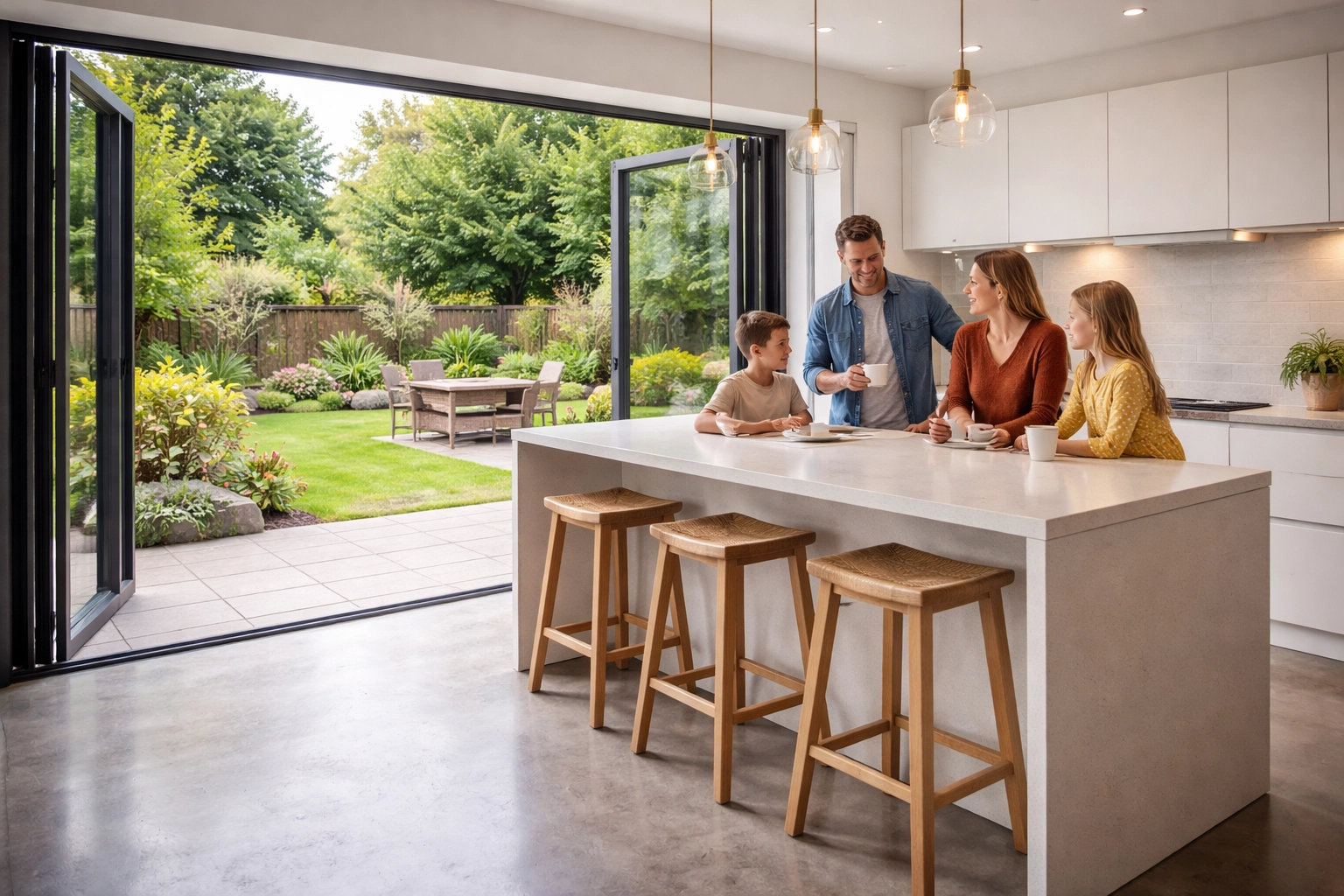
If you're dreaming of a big, open-plan kitchen-diner or a spacious family room that flows out into the garden, a house extension might be more your style.
The Pros
You get significantly more flexibility. Extensions give you a blank canvas. Want bi-fold doors opening onto a patio? A massive island kitchen? A ground-floor bedroom suite? With an extension, the layout options are much broader.
It's ideal for open-plan living. Creating that seamless flow between kitchen, dining, and living areas is much easier at ground level. Extensions lend themselves beautifully to modern, sociable living spaces.
Better accessibility. If you're thinking long-term or have family members with mobility considerations, ground-floor space is much more practical than climbing up to a loft.
You can transform how you use your garden. Yes, you'll lose some outdoor space, but a well-designed extension can actually improve your connection to the garden with large windows, French doors, or covered outdoor areas.
The Cons
You will lose garden space. There's no getting around it. If your garden is already on the smaller side, an extension might leave you feeling a bit boxed in.
It usually takes longer. Extensions involve more groundwork, literally. Foundations, drainage, and structural work all add time. You're typically looking at 3-4 months minimum, depending on the size and complexity.
Planning permission is more likely to be required. While some smaller extensions fall under permitted development, many will need a full planning application. This adds time (usually 8-12 weeks) and an element of uncertainty to the process.
It's generally more expensive upfront. The additional structural work, foundations, and roofing involved in an extension typically means higher costs compared to a loft conversion of similar size.
Cost and Value: What's the Real Picture?
Let's talk numbers, because budget matters.
Loft conversions are generally more economical to start with. A basic Velux conversion might come in at the lower end, while a more complex dormer or hip-to-gable conversion will cost more: but still typically less than a comparable extension.
Extensions involve more materials, more labour, and more groundwork. That said, they can add substantial value to your home, especially if you're creating desirable features like an open-plan kitchen-diner.
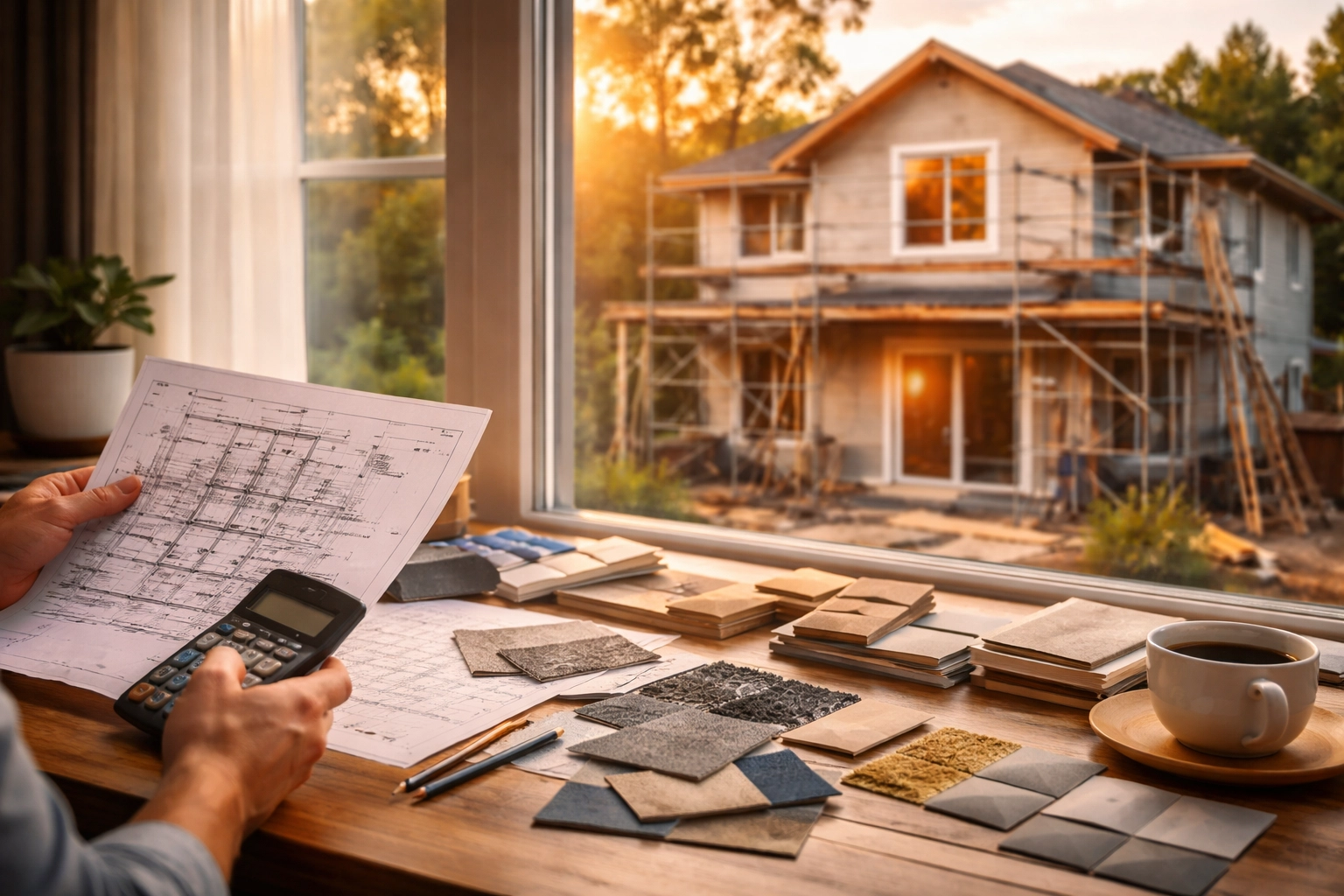
Both options offer strong returns on investment in the Bournemouth area. The key is making sure the work is done properly, with quality finishes that match the rest of your home. A botched job won't add value: it'll create problems.
Planning Permission: The Boring But Important Bit
Nobody gets excited about planning permission, but it's worth understanding the basics.
Loft conversions often fall under permitted development rights, meaning no formal planning application is needed. However, you'll still need to comply with Building Regulations (covering things like fire safety, insulation, and structural integrity), and if you live in a conservation area or your home is listed, the rules are stricter.
House extensions are more likely to require planning permission, particularly if they're two-storey or close to your property boundary. The good news? Your local planning authority can give you pre-application advice, and an experienced builder will guide you through the process.
So, Which Should You Choose?
Here's a quick guide to help you decide:
A loft conversion might be right for you if:
- You have adequate headroom in your existing loft (or you're open to raising the roof)
- You need an extra bedroom, home office, or playroom
- You want to keep your garden intact
- You'd prefer a quicker build with less disruption
- You want to avoid the planning permission process if possible
A house extension might be right for you if:
- You need significantly more space than a loft can provide
- You're dreaming of open-plan living at ground level
- You have garden space you're happy to sacrifice
- You want better flow between indoor and outdoor areas
- Accessibility is a priority for your household
For many of Bournemouth's Victorian and Edwardian properties, a loft conversion can be a natural fit: these homes were often built with generous roof spaces just waiting to be transformed. But every home is different, and the best way to know what's possible is to get a professional opinion.
Why Homeowners in Bournemouth, Poole, and Christchurch Trust Us
At The Big Conversion Company, we've helped hundreds of local families create the extra space they need: without the stress.
Whether you're leaning towards a loft conversion or a house extension, here's what you can expect from us:
- Fixed-price guarantee – No nasty surprises. The price we quote is the price you pay.
- Tailored designs – We don't do cookie-cutter. Every project is designed around your home and your lifestyle.
- Local team – We're based right here in the area, so we understand local planning requirements and building styles inside out.
- Stress-free project management – From initial designs through to the final finishing touches, we handle everything so you don't have to.
Still not sure which option is right for your home? Get in touch for a free, no-obligation chat. We'll take a look at your property, talk through your goals, and give you honest advice on the best way forward.
Because at the end of the day, it's not about loft vs. extension. It's about finding the right solution for you.