
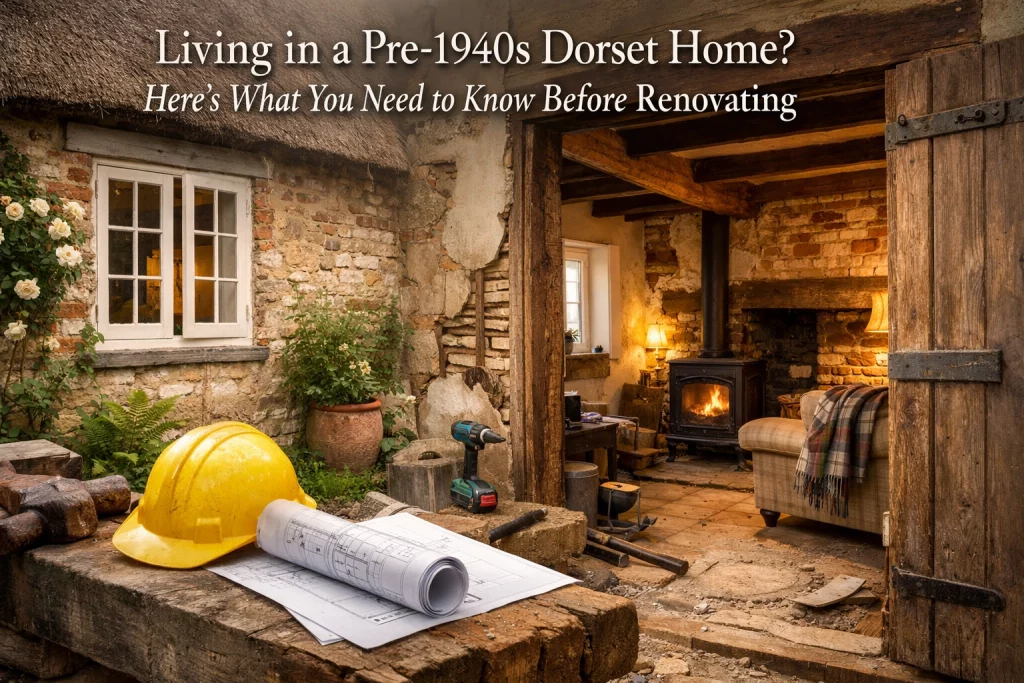
Are you living in one of Dorset's beautiful pre-1940s properties: perhaps a charming Victorian terrace in Bournemouth, an Edwardian semi in Poole, or a period cottage in Christchurch? These homes have character by the bucketload, but when you're thinking about a loft conversion or extension, there are a few things you need to know before the first brick is laid.
Period properties in Dorset come with their own unique considerations. The walls might be solid brick rather than cavity, the foundations might be shallower than modern standards, and there's a good chance you'll uncover something unexpected once work begins. But here's the thing: with the right approach and an experienced team, you can modernize your home beautifully while keeping all that period charm intact.
Why Pre-1940s Homes Are Different
Your older home wasn't built using the same methods or materials as modern properties. Pre-war construction typically features solid brick walls (no cavity), lime mortar rather than cement, and timber frames that have been settling for decades. These aren't flaws: they're simply characteristics you need to work with, not against.
The coastal location of many Dorset homes adds another layer of consideration. If you're near the coast in Bournemouth or Poole, your property has likely endured decades of salt air and moisture, which can affect everything from external brickwork to internal timbers. Understanding these factors before you start planning your extension or loft conversion will save you headaches down the line.
Structural Considerations You Can't Ignore
Before you start dreaming about that stunning loft conversion or kitchen extension, you need to understand what's holding your house up. Many pre-1940s properties have structural quirks that modern homes simply don't have.
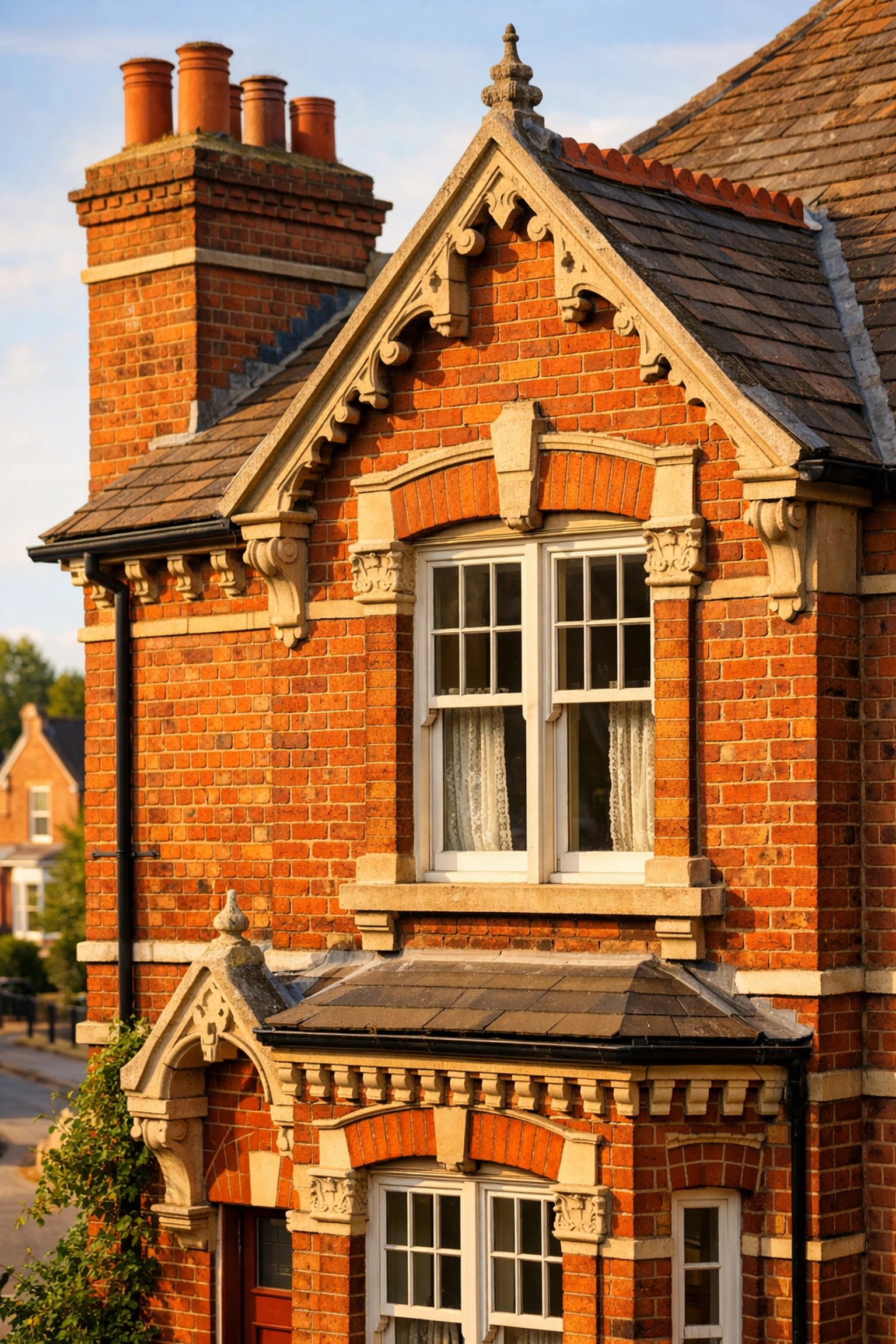
Load-bearing walls are often exactly where you'd love to knock through for an open-plan space. In older homes, internal walls frequently provide crucial structural support, and removing them requires careful calculation and appropriate structural support: usually steel beams designed specifically for the job.
Foundations in older properties are typically shallower than modern building regulations require. When you're adding an extension, the new structure needs foundations that match current standards. This means your extension foundations might go significantly deeper than your existing house, which requires careful engineering to prevent any movement or cracking where old meets new.
Timber condition is another crucial factor. After 80-100 years, you need to know the state of your floor joists, roof timbers, and lintels. If you're planning a loft conversion, a structural engineer will need to assess whether your existing roof structure can support the additional load or if reinforcement is needed.
Keeping the Character While Adding Space
One of the biggest concerns homeowners have is losing the very features that make their period property special. You don't want to end up with a beautiful extension that looks jarringly modern against your Victorian façade, or a loft conversion that destroys original roof features.
The good news? With thoughtful design, you can have both modern functionality and period charm. This is where working with a team that understands historic properties makes all the difference. Over our 18+ years working on Dorset homes, we've developed an eye for what works: and what definitely doesn't.
External materials need careful selection. Your extension should complement your existing brickwork, not clash with it. Sometimes this means sourcing reclaimed bricks that match your original ones, or choosing sympathetic modern materials that sit comfortably alongside period features.
Windows and doors are crucial for maintaining character. UPVC might be tempting for its low maintenance, but timber sash windows or period-appropriate alternatives often suit pre-1940s homes far better. For loft conversions, roof windows need positioning that doesn't disrupt your roofline's proportions.
Planning Permission and Conservation Considerations
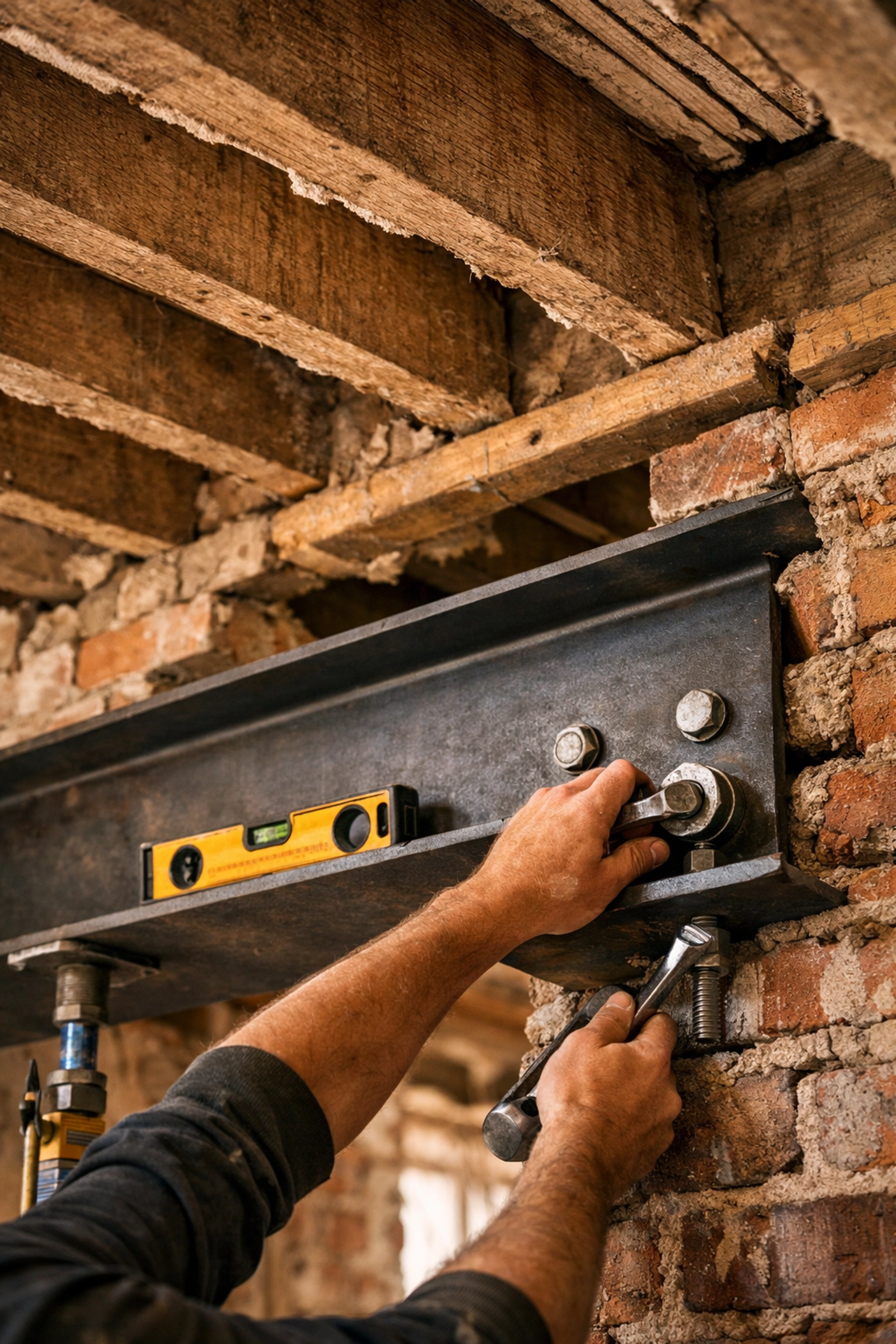
Depending on your property's location and status, you might face additional restrictions on what you can alter. If your home is listed or sits within a conservation area: and there are plenty of both in Bournemouth, Poole, and Christchurch: you'll need to navigate heritage guidelines.
Even if your property isn't listed, certain areas have Article 4 Directions that remove some permitted development rights. This means your loft conversion or extension might need full planning permission rather than falling under permitted development. It's worth checking with your local planning authority early in the process: or better yet, working with a company that already knows the local landscape inside out.
Conservation officers aren't the enemy: they're there to protect the character of historic areas. When you approach planning with sensitivity to your property's period features, you're far more likely to get approval. We've successfully navigated countless planning applications for period properties across Dorset by demonstrating how modern improvements can enhance rather than detract from historic buildings.
The Hidden Cost Factor (And Why Fixed-Price Matters)
Here's where we need to talk honestly: renovating older properties almost always uncovers surprises. Maybe it's unexpected damp that needs addressing before you can extend. Perhaps the chimney breast you wanted to remove is in worse condition than anticipated. Or the wiring is even more outdated than your initial survey suggested.
These discoveries can derail budgets and timelines: unless you're working with a fixed-price guarantee. After nearly two decades working on Dorset's period properties, we price our projects to account for the kinds of challenges older homes present. You're not left with spiraling costs every time we find something unexpected. The price we quote is the price you pay.
This matters enormously when you're already making a significant investment in your home. You need to budget with confidence, knowing that your loft conversion or extension won't suddenly cost thousands more than planned because of issues that were always likely in a pre-1940s property.
Modernizing Systems Sympathetically
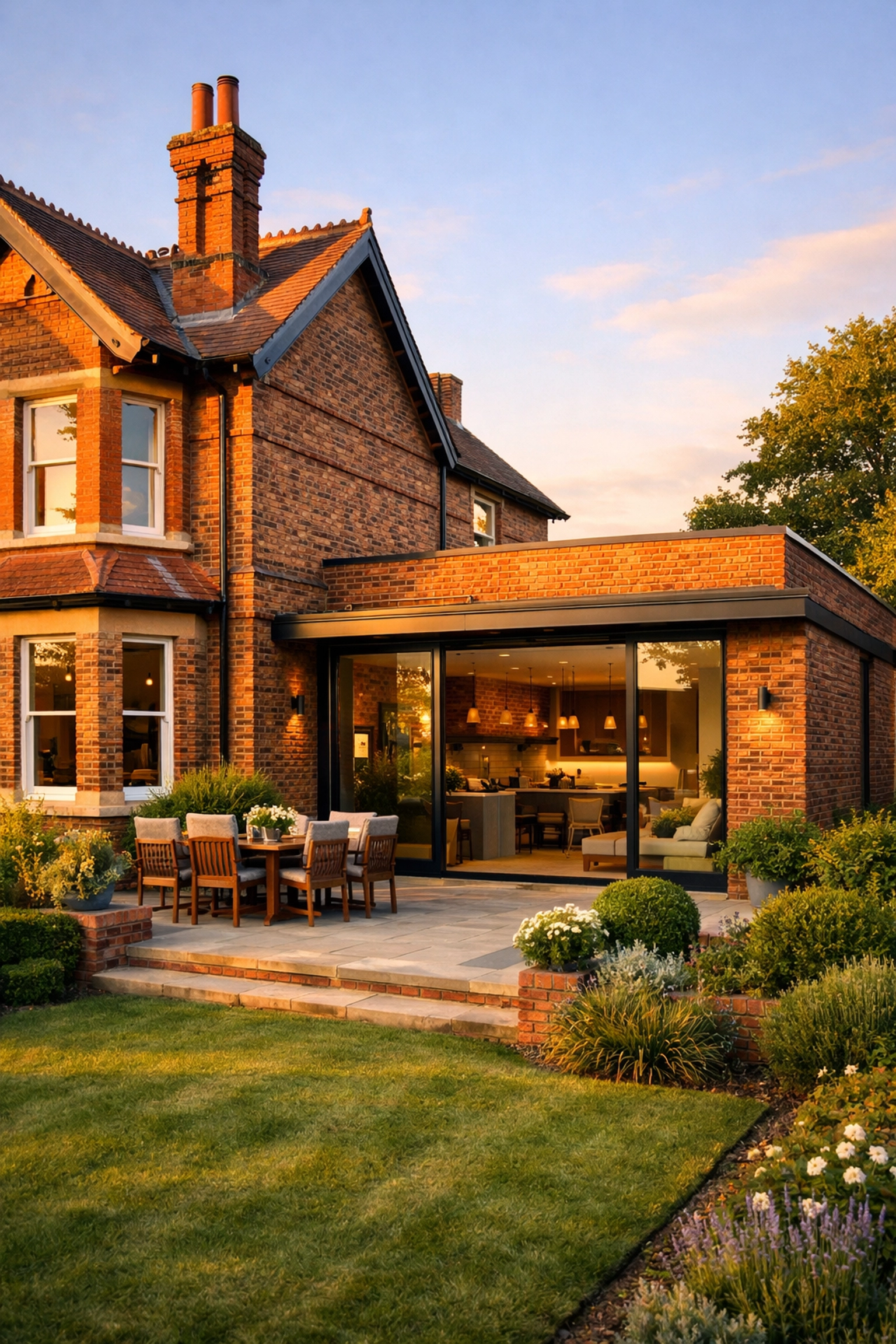
Your period property probably needs its electrical system updating, better insulation, and perhaps entirely new heating and plumbing. The challenge is doing this without destroying original features or creating obvious modern intrusions.
Insulation is particularly tricky in solid-wall properties. You can't just pump cavity wall insulation where there is no cavity. Instead, you're looking at internal or external wall insulation, both of which have implications for your home's character. Internal insulation slightly reduces room sizes but preserves external appearance: crucial in conservation areas. External insulation requires careful detailing around period features like decorative brickwork or stone lintels.
Heating systems often need complete overhauls in older homes. Installing modern, efficient heating during your extension or loft conversion makes sense: it's disruptive work that's easier to do while other building work is happening. Underfloor heating works beautifully in new extensions, while radiators might suit your existing spaces better.
The Value of Local Experience
There's something to be said for working with a team that knows Dorset's older properties intimately. After 18 years working across Bournemouth, Poole, and Christchurch, we've seen most of what pre-1940s homes can throw at us. We understand local clay soil conditions that affect foundations, coastal weather impacts, and the specific building styles and materials common to the area.
This local knowledge means we can anticipate challenges before they become problems. We know which structural engineers understand period properties, which materials suppliers can source matching bricks or tiles, and how local planning departments typically respond to various design approaches.
Project Management That Takes the Pressure Off
Renovating a period property involves coordinating multiple specialists: structural engineers, conservation architects, electricians, plumbers, plasterers who understand traditional lime plaster, and more. When we handle your project from start to finish, you're not juggling different contractors or wondering whether everyone's on schedule.
You get a single point of contact who oversees every aspect of your extension or loft conversion. We manage the timeline, coordinate the trades, handle building control inspections, and ensure everything meets both modern standards and respects your property's period character.
Getting Started With Confidence
If you're considering extending or converting your pre-1940s Dorset home, the most important first step is getting expert advice specific to your property. Every period home is unique, and what works beautifully for your neighbor's Victorian terrace might not suit your Edwardian semi.
Your older home has given decades: perhaps a century: of service. With the right approach, you can add modern space and functionality while preserving everything that makes it special. That's the balance we've been achieving for Dorset homeowners for over 18 years, and it's what we bring to every project.
The character of your period property isn't something to battle against: it's something to work with. When you do, the results are spaces that feel both authentically historic and perfectly suited to modern family life.