
Are you dreaming of that extra space but worried about getting tangled up in planning red tape? You're not alone. One of the most common questions we hear from homeowners across Bournemouth, Poole, and Christchurch is: "Do I actually need planning permission for my extension?"
The good news? Many extensions can be built without formal planning permission at all. The not-so-good news? The rules aren't always straightforward, and getting it wrong can be costly.
This guide breaks down everything you need to know about planning permission for extensions in Dorset : in plain English, without the jargon. And if you're still unsure by the end, we're happy to check your specific situation for free.
Planning Permission vs Permitted Development: What's the Difference?
Before we dive into the specifics, let's clear up two terms you'll see everywhere.
Planning permission is formal approval from your local council (Dorset Council or BCP Council, depending on where you live) to carry out building work. You submit an application, pay a fee, and wait for a decision.
Permitted development rights are a set of national rules that allow certain building works to go ahead without needing to apply for planning permission. Think of it as pre-approved permission from the government : as long as you stay within the limits.
The key question for your extension project is: does your work fall within permitted development, or do you need to apply for full planning permission?
When You Probably DON'T Need Planning Permission
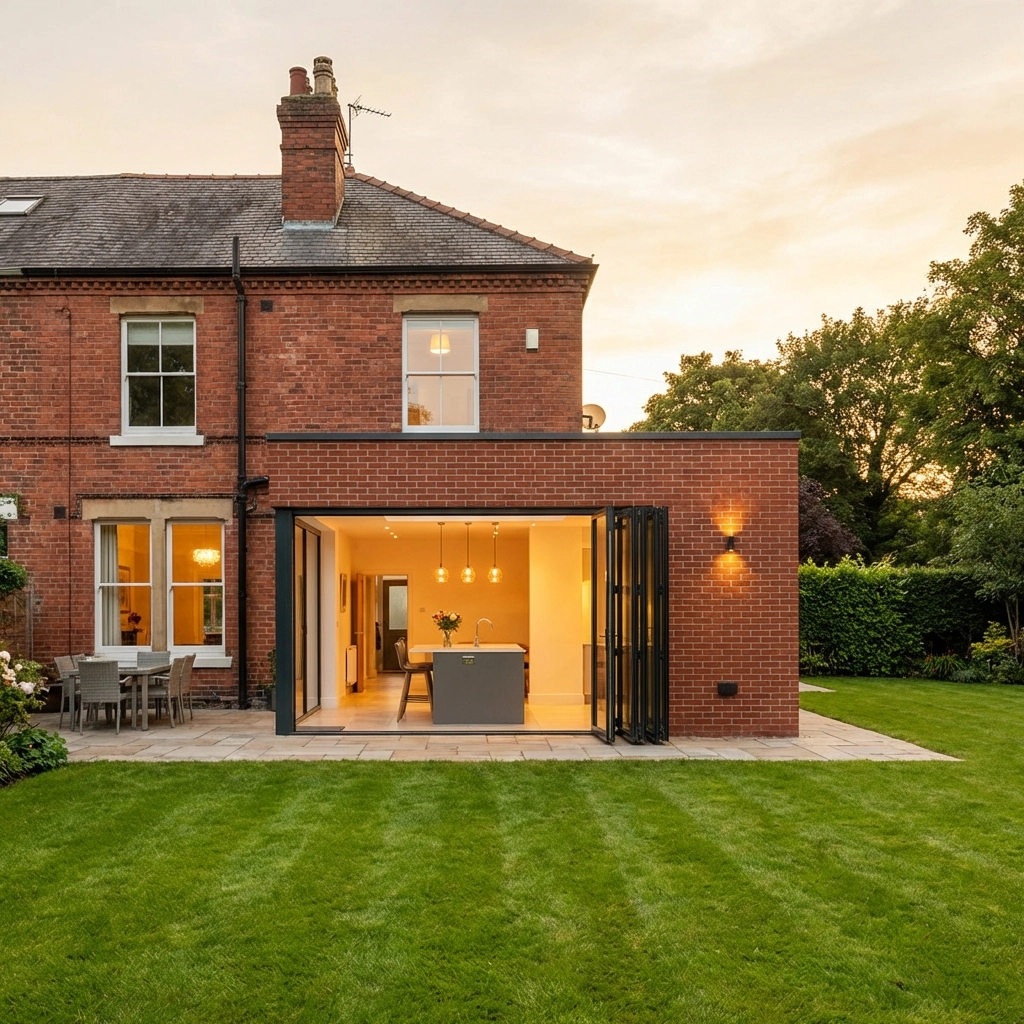
Many single-storey rear extensions fall within permitted development rights, meaning you can crack on without a formal application. Here's a simplified overview of what's typically allowed:
Single-Storey Rear Extensions
For a standard single-storey rear extension, permitted development usually allows:
- Detached houses: Extensions up to 4 metres from the original rear wall (or up to 8 metres under the "prior approval" scheme)
- Semi-detached or terraced houses: Extensions up to 3 metres (or up to 6 metres under prior approval)
- Maximum height: 4 metres at the highest point
- Eaves height: No higher than the existing eaves
The "prior approval" scheme lets you build larger rear extensions (up to 6m or 8m depending on your property type), but your neighbours get notified and can raise objections. If they object, the council decides whether to approve it.
Side Extensions
Single-storey side extensions are often permitted too, provided:
- They don't exceed half the width of the original house
- They're no more than 4 metres high
- They don't extend beyond the front wall facing the highway
Loft Conversions
Good news if you're considering a loft conversion : many fall under permitted development as well. You can typically add:
- Up to 40 cubic metres of additional roof space for terraced houses
- Up to 50 cubic metres for detached and semi-detached houses
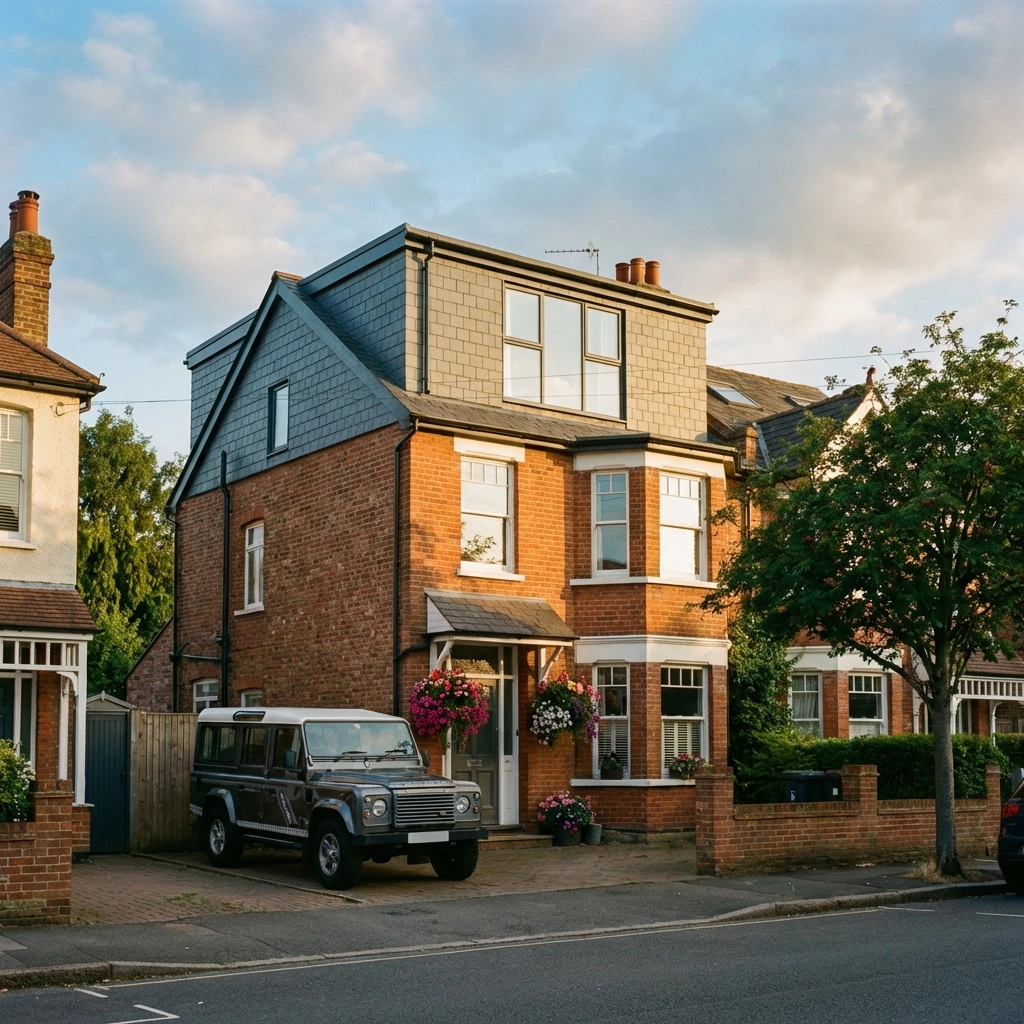
However, dormer windows facing the highway usually aren't permitted without planning permission, and materials should match the existing house as closely as possible.
Important disclaimer: These are general guidelines. Permitted development limits can vary based on your property's history, location, and other factors. We always recommend getting confirmation before you start any work.
Not sure if your project qualifies? Book a free feasibility check with our team : we'll assess your property and give you a clear answer.
When You WILL Need Planning Permission
Some extensions will always require a formal planning application. Here are the main scenarios:
Two-Storey Extensions
Two-storey extensions don't benefit from the same permitted development allowances as single-storey work. If you're building upwards as well as outwards, you'll almost certainly need to apply.
Exceeding Permitted Development Limits
If your extension goes beyond the size limits mentioned above : whether that's the depth, height, or volume : you'll need planning permission.
Front Extensions
Extensions to the front of your property (the side facing the road) typically require planning permission, even if they're relatively small.
Work Near Boundaries
Extensions built very close to your boundary with a neighbour, or that would overshadow neighbouring properties significantly, often need formal approval.
Previous Extensions
Here's one that catches people out: permitted development limits apply to the original house, not the house as it stands today. If a previous owner already extended the property, that counts against your allowance.
For example, if you've got a semi-detached house that was already extended by 2 metres at some point, you might only have 1 metre of permitted development left.
Special Cases: Listed Buildings, Conservation Areas & More
If your property falls into certain categories, the rules are stricter : and you'll likely need permission regardless of the extension size.
Listed Buildings
If your home is a listed building, you'll need listed building consent for almost any alteration, internal or external. This is separate from planning permission and focuses on protecting the building's historic character.
Conservation Areas
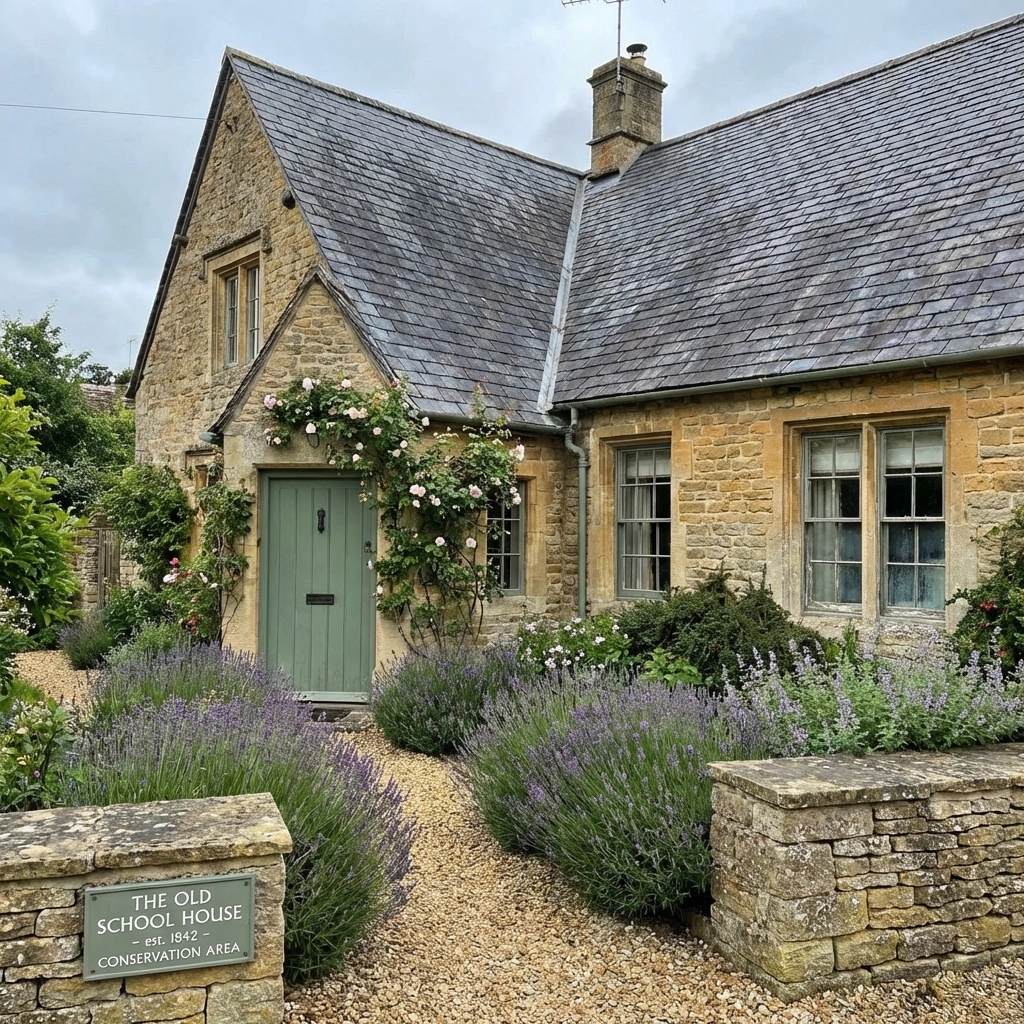
Living in a conservation area (and there are several across Bournemouth, Poole, and Christchurch) means tighter restrictions. Side extensions, cladding, and certain roof alterations that would normally be permitted development often require planning permission here.
Areas of Outstanding Natural Beauty (AONB)
Parts of Dorset fall within the Cranborne Chase or Dorset AONB. If your property is in one of these areas, permitted development rights are more limited.
Article 4 Directions
Some areas have an "Article 4 Direction" in place, which removes specific permitted development rights. Your local council can tell you if this applies to your property.
Don't Forget Building Regulations
Here's something that trips up a lot of homeowners: planning permission and building regulations are two completely separate things.
Even if your extension is permitted development and doesn't need planning permission, you'll still need to comply with building regulations. These cover:
- Structural safety
- Fire safety (escape routes, fire-resistant materials)
- Insulation and energy efficiency
- Ventilation
- Electrical and plumbing work
Building regulations approval ensures your extension is safe and built to current standards. You can either submit a full plans application before work starts, or use a building notice (though full plans give you more certainty).
We handle building regulations as part of every project we manage, so you don't need to worry about navigating this separately.
How to Find Out What You Need
If you're still unsure whether your extension needs planning permission, here are your options:
Option 1: Use the Planning Portal
The Planning Portal has interactive guides that can give you an initial steer on whether your project is permitted development.
Option 2: Apply for a Lawful Development Certificate
This is a formal certificate from the council confirming that your proposed work is lawful (i.e., it's permitted development). It costs around £100-£250 and gives you written proof : useful for peace of mind and when you come to sell.
Option 3: Use Dorset Council's Enquiry Service
Dorset Council offers an informal permitted development enquiry service for around £130. You'll get a written opinion from a planning officer within about 4 weeks.
Option 4: Ask Us
The easiest option? Let us check for you : completely free. We've helped hundreds of homeowners across Bournemouth, Poole, Christchurch, and the wider Dorset area navigate planning requirements. We'll assess your property, review your plans, and tell you exactly what approvals you need.
Get your free feasibility check here : no obligation, no jargon, just straight answers.
Ready to Extend? Let's Talk
Planning permission doesn't have to be a headache. Whether you're adding a single-storey kitchen extension, converting your loft into a master bedroom, or building a two-storey extension to accommodate a growing family, we can guide you through every step.
At The Big Conversion Company, we specialise in home renovations across Dorset : from initial feasibility checks right through to handing you the keys to your finished space.
Get in touch today for a free, no-obligation chat about your project. We'll visit your property, assess what's possible, and give you a clear idea of costs, timelines, and any permissions you'll need.