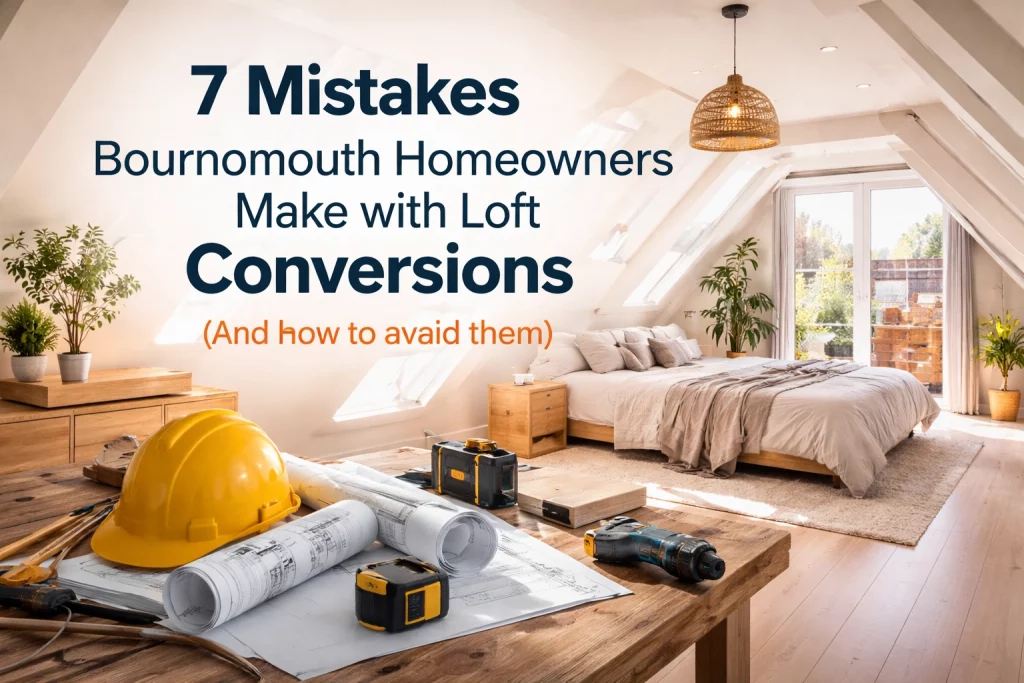
So you're thinking about converting your loft? Maybe you need an extra bedroom for the kids, a dedicated home office, or just some breathing room in your Bournemouth home. A loft conversion is one of the smartest ways to add space and value without the upheaval of moving house.
But here's the thing, we've seen plenty of local homeowners jump in with the best intentions, only to hit avoidable roadblocks that cost them time, money, and a whole lot of stress.
The good news? You don't have to make the same mistakes. Let's walk through the seven most common pitfalls we see in Bournemouth, Poole, and Christchurch, and more importantly, how you can sidestep every single one.
Mistake #1: Not Checking Head Height First
This one catches people out more than you'd think. You pop your head through the loft hatch, see a decent amount of space, and assume you're good to go. Unfortunately, "looks spacious" and "meets building regulations" are two very different things.
For a standard loft conversion, you'll need a minimum head height of 2.2 metres from the floor to the ceiling at the highest point. Fall short of that, and you're looking at either a cramped, impractical space or expensive roof-raising work to make it viable.
How to avoid it: Before you get too excited about colour schemes and furniture placement, get a professional survey done. It takes the guesswork out entirely and gives you a clear picture of what's actually possible. Not sure if your loft is even suitable? We've got a handy guide on how to know if your loft is suitable for a conversion that's worth a read.
Mistake #2: Assuming You Don't Need Planning Permission
Here's where it gets a bit confusing. Most loft conversions fall under "permitted development rights," which means you can crack on without formal planning permission. But, and it's a big but, this isn't always the case.
If your home is in a conservation area (and there are quite a few around Bournemouth and Christchurch), if you're planning a front-facing dormer, or if previous extensions have used up your permitted development allowance, you'll likely need to apply for planning permission.
How to avoid it: A quick chat with your local council or an experienced builder will clear this up fast. It's a ten-minute conversation that could save you from costly delays or, worse, being forced to undo work that doesn't comply.

Mistake #3: Ignoring Building Regulations
Even if your loft conversion doesn't need planning permission, it absolutely needs to meet building regulations. These cover everything from structural integrity and fire safety to insulation and electrical work.
We've heard horror stories of homeowners using builders who cut corners, only to face major headaches when they come to sell. Without a building regulations completion certificate, you could find yourself having to prove compliance retrospectively, or knocking down walls to fix non-compliant work.
How to avoid it: Work with a builder who handles building regulations approval as part of the project. This includes structural floor upgrades, compliant escape routes, smoke detection systems, and proper thermal insulation. It's not glamorous, but it's essential.
Mistake #4: Poor Staircase Planning
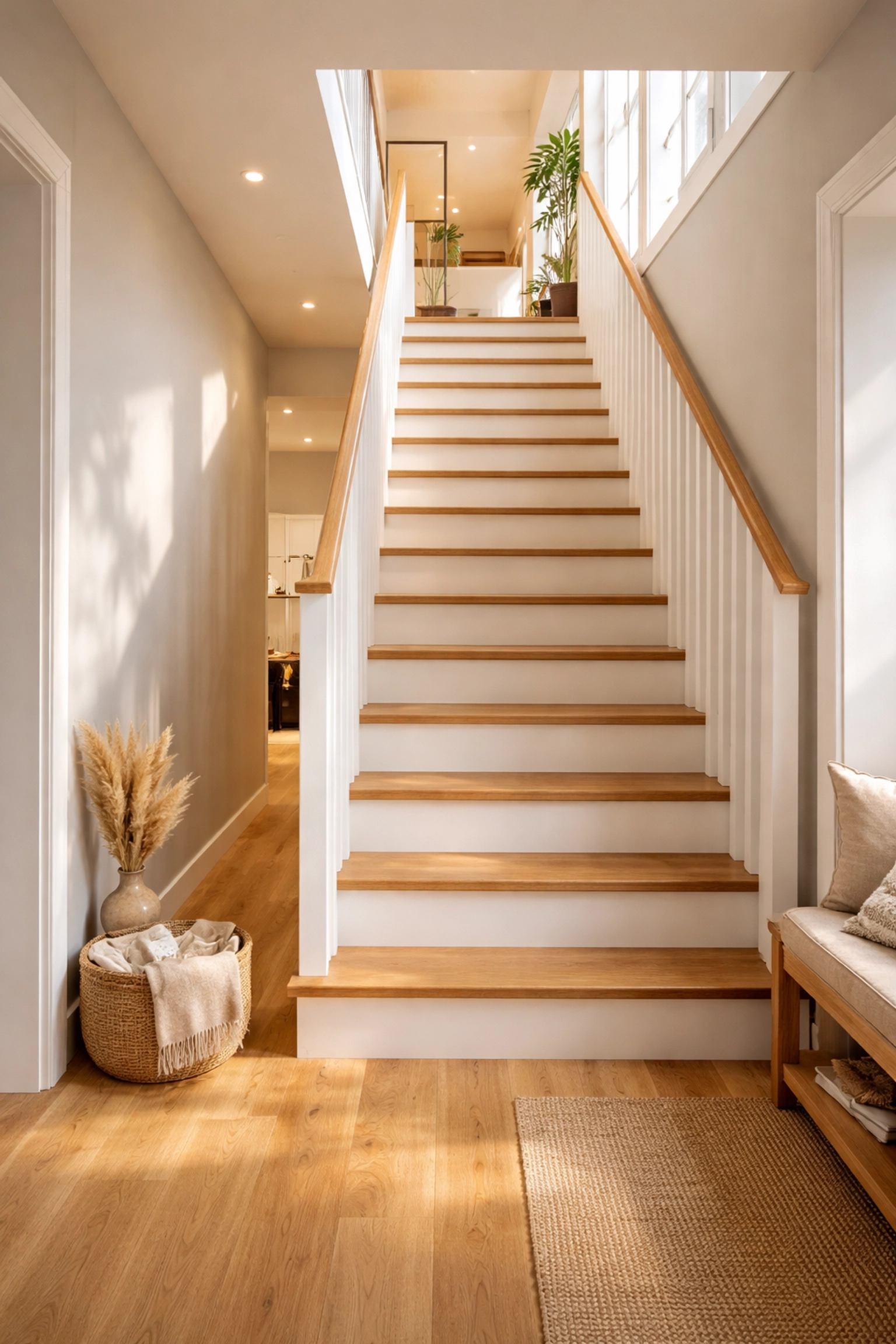
You'd be surprised how many people focus entirely on the loft itself and forget that you actually need to get up there. A poorly positioned staircase can eat into your existing first-floor space, disrupt the flow of your home, and even create safety issues.
The staircase needs to comply with building regulations too, there are rules around width, headroom, and the angle of the steps. Get this wrong, and you've got a conversion that's awkward to access and potentially non-compliant.
How to avoid it: Think about staircase placement from day one. An experienced designer will help you find a position that feels natural, doesn't sacrifice too much existing space, and keeps the flow of your home intact. Sometimes a spiral or space-saving staircase is the answer; other times, repositioning a landing makes all the difference.
Mistake #5: Neglecting Natural Light
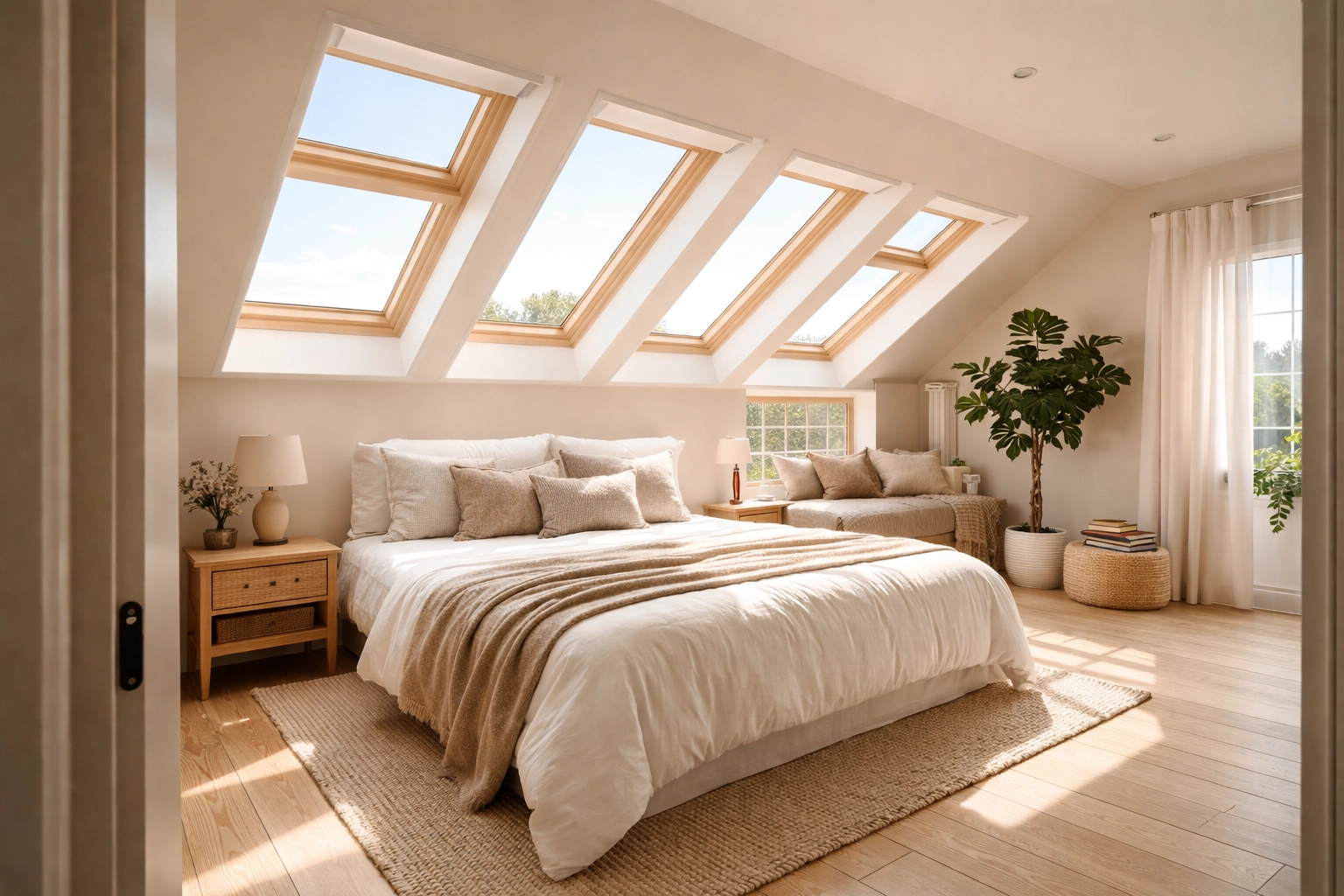
Lofts can be tricky when it comes to light. Without proper planning, you can end up with a dark, stuffy room that feels more like an attic than a living space. And let's be honest, no one wants to spend time in a gloomy box room.
Natural light doesn't just make a space feel bigger and more inviting; it's also a requirement under building regulations for habitable rooms.
How to avoid it: Plan your windows early in the design process. Velux roof windows are a popular choice and work brilliantly for flooding the space with daylight. If you're adding a dormer, you can incorporate larger windows or even a Juliet balcony for that "wow" factor. As a general rule: more light equals a more spacious, premium-feeling conversion. We've written more about the importance of lighting if you want to dive deeper.
Mistake #6: Underestimating Insulation
Your loft sits right under the roof, which means it's exposed to everything the Dorset weather throws at it, scorching summer sun, freezing winter nights, and everything in between. Without proper insulation, your new room will be uncomfortably hot in summer, freezing in winter, and expensive to heat year-round.
This isn't just about comfort either. Building regulations require specific thermal performance levels, and cutting corners here will come back to bite you.
How to avoid it: Invest in quality insulation from the start. This includes the roof, walls (if you're adding dormers), and the floor. Yes, it adds to the upfront cost, but you'll save money on energy bills for years to come: and your new space will actually be pleasant to use all year round.
Mistake #7: Not Vetting Your Builder Properly
This might be the most important point on the list. A loft conversion is a significant investment: typically between £50,000 and £90,000 depending on the scope and structural requirements. Trusting that investment to someone who isn't properly qualified, experienced, or reliable is a recipe for disaster.
We've seen homeowners get burned by builders who disappear mid-project, cut corners to save costs, or simply don't have the expertise to handle the complexities of a loft conversion. The result? Blown budgets, missed deadlines, and substandard work.
How to avoid it: Do your homework. Ask to see previous projects, check reviews, and make sure they're properly insured. Look for builders who specialise in loft conversions and home extensions rather than general handymen who "can probably do it."
And here's a tip: be wary of quotes that seem too good to be true. They usually are. A detailed, transparent quote from an experienced company might cost more upfront, but it'll save you from nasty surprises down the line.
How to Avoid All Seven Mistakes in One Go
If reading through this list has made you slightly nervous, take a breath. The truth is, all of these mistakes are completely avoidable when you work with the right team.
At The Big Conversion Company, we've helped hundreds of homeowners across Bournemouth, Poole, and Christchurch transform their lofts without the stress. Our fixed-price guarantee means you know exactly what you're paying from day one: no hidden costs, no budget blowouts. And our stress-free project management means we handle everything from initial surveys and planning through to building regulations sign-off and the final finishing touches.
You don't have to become an expert in head heights, building regs, and staircase compliance. That's our job. Your job is to enjoy the extra space.
Ready to Get Started?
A loft conversion is one of the best investments you can make in your home: when it's done right. If you're thinking about adding space to your Bournemouth property and want to avoid the pitfalls we've covered today, get in touch with us for a no-obligation chat.
We'll assess your loft, talk through your options, and give you a clear, honest picture of what's possible. No pressure, no jargon: just straightforward advice from people who've done this hundreds of times before.